Showing posts with label anaerobic digestion. Show all posts

Friday, October 02, 2026

New Digital Waste Tracking Rules Have Arrived — What Do They Mean for UK Anaerobic Digestion Plants?

Food waste delivery arriving at an anaerobic digestion plant as an operator records the load under new UK digital waste tracking rules.

A significant change in UK waste regulation came into force on 1 October 2026 — and operators of some anaerobic digestion plants need to take notice.

Permitted and licensed sites receiving controlled waste in England and Wales must now digitally report the waste they receive using the government's new Digital Waste Tracking system.

For waste-fed anaerobic digestion plants, this is not something scheduled for some distant future date.

It has started.

From 1 October 2026, affected operators must submit details of every qualifying load of controlled waste they receive, normally within two working days.

But there is an important qualification which I think needs stating immediately:

This does not mean that every agricultural anaerobic digestion plant has suddenly acquired the same new reporting obligation.

Which AD Plants Are Affected?

The first phase applies to organisations in England and Wales which are licensed or permitted to receive controlled waste.

Government guidance says this includes permitted operations, installations and mobile plants receiving controlled waste.

For the anaerobic digestion industry, that potentially brings many waste-fed plants directly within the new system.

A farm AD plant receiving permitted food-processing waste or other controlled waste from third parties may therefore be in a very different regulatory position from an agricultural digester operating only on appropriate farm-derived feedstocks.

That distinction matters.

Farms operating solely under registered waste exemptions are not included in this first phase of Digital Waste Tracking. The government does, however, intend to bring waste exemptions into a later phase of the system.

What Must Operators Do?

Affected waste-receiving organisations must use Defra's Report Receipt of Waste service.

Information required can include:

  • waste movement details;
  • details of the carrier and receiver;
  • waste classification codes;
  • recovery or disposal codes;
  • relevant hazardous-waste information;
  • and information concerning persistent organic pollutants where applicable.

The records must normally be submitted within two working days, starting on the day after the waste is received.

So, for example, the government's guidance says that waste received on a Monday would normally need to be successfully reported by 11:59pm on Wednesday, assuming neither day is affected by a bank holiday.

Reports can be submitted using compatible waste-management software connected through an API, or using the government's spreadsheet system.

This Is More Than Replacing a Piece of Paper

It would be easy to dismiss Digital Waste Tracking as another administrative requirement.

I think that would miss the larger change taking place.

Historically, information about waste movements has been spread across waste transfer notes, consignment notes, site records, returns and different computer systems.

The intention behind Digital Waste Tracking is to create a much clearer electronic trail showing where waste came from, who carried it and where it went.

That should make inconsistencies much easier for regulators to identify.

The government says waste crime costs the UK economy approximately £1 billion each year. Better tracking is intended to make it harder for illegal operators to exploit gaps in the existing system.

For legitimate AD operators, however, there is another consequence:

The quality of waste data entering the plant becomes increasingly visible.

Why This Matters Particularly for Food-Waste AD

Food-waste anaerobic digestion depends upon receiving large numbers of waste deliveries from numerous sources.

Those movements may involve supermarkets, food manufacturers, commercial kitchens, local-authority collections and other waste producers.

An AD plant may therefore process a considerable number of incoming loads.

Each one needs to be correctly described and classified.

That makes accurate weighbridge information, waste coding, carrier details and administrative procedures increasingly important parts of running the AD facility.

And there is an important principle here which extends beyond Digital Waste Tracking:

An anaerobic digester's ability to biologically process a material does not automatically mean that the operator is legally authorised to accept it.

Co-Digestion Does Not Override the Environmental Permit

This is something I think deserves particular emphasis.

Co-digestion can provide considerable biological advantages. Combining complementary feedstocks can improve nutrient balance, dilute inhibitors and sometimes improve gas production.

But an operator should never interpret that as permission to introduce whatever organic feedstock happens to become available.

The environmental permit or other applicable authorisation must allow the material to be accepted.

This can be especially significant for agricultural AD operators.

A plant developed to digest farm-derived materials may operate under a materially different regulatory regime from a facility receiving food waste and other controlled wastes.

Accepting a new waste stream can therefore involve much more than arranging another feedstock contract and changing the digester recipe.

Permitting, waste classification, handling arrangements, contamination risks and now digital waste reporting may all need consideration.

Will Digital Tracking Help Improve Feedstock Quality?

This is where I think the new system becomes particularly interesting for anaerobic digestion.

Waste-fed AD plants do not merely need tonnes of material.

They need appropriate, dependable and sufficiently clean feedstock.

Contamination by plastics and other unsuitable materials creates substantial problems downstream. It increases depackaging and preprocessing requirements and can ultimately affect digestate quality.

Better information about the origin and movement of organic wastes will not magically eliminate contamination.

But improved traceability could make it easier to identify recurring problems and determine where unsuitable material entered the supply chain.

That could ultimately be valuable to well-operated AD facilities.

There Is a Cost — But It Is Not Primarily the Registration Fee

The government's annual charge for the service is currently £26 per organisation, covering all waste-receiving sites operated by that organisation.

The first payment is due by 31 January 2027.

For most commercial AD businesses, that fee itself is unlikely to be significant.

The more important cost will be ensuring that operating procedures, staff training, weighbridge systems and waste-management software reliably capture the required information and submit it within the deadline.

For a busy food-waste AD plant receiving many loads each day, that becomes an operational-management issue rather than simply a £26 regulatory charge.

The UK Waste Industry has finally gone digital.
Digital Waste Tracking is overdue modernisation for the waste industry — but its biggest benefit may be making waste crime harder to hide.

The Roll-Out Has Only Just Begun

England and Wales are the first parts of the UK where reporting by receiving sites has become mandatory.

Under the current government timetable:

  • 1 October 2026: mandatory for permitted and licensed waste-receiving sites in England and Wales;
  • January 2027: mandatory receiving-site reporting is planned for Scotland and Northern Ireland;
  • October 2027: the next major phase is planned to make the digital service mandatory for waste collectors, including relevant carriers, brokers and dealers.

Waste exemptions are also expected to be incorporated in a later phase.

So what began this week is not the finished Digital Waste Tracking system.

It is the first mandatory stage of a much larger change in the way UK waste movements are recorded.

My View: AD Operators Should Treat Waste Data as Process Data

Anaerobic digestion operators understandably concentrate on biological and engineering measurements — feed rate, dry solids, volatile solids, pH, alkalinity, VFAs, temperature, gas production and methane content.

But for waste-fed AD, information about what actually arrived through the gate is also process information.

Where did it come from?

What is it?

How much was delivered?

Was it correctly classified?

Does the permit allow it?

And does the physical material actually correspond with the description supplied by the waste producer?

Digital Waste Tracking adds another regulatory reason to get those answers right.

But good AD operators should want reliable answers anyway.

You cannot properly control an anaerobic digestion process unless you know what you are feeding into it.

Further Information

Operators should check the official government guidance rather than relying solely on summaries of the new requirements:

GOV.UK — Digital Waste Tracking: Check If You Need to Report the Waste You Receive

The government's practical guidance for using the reporting service is here:

GOV.UK — Report Receipt of Waste

And the wider implementation timetable can be found here:

GOV.UK — Developing the Digital Waste Tracking Service

The FarmingUK article which prompted me to look more closely at the change is here:

Farm AD and Composting Sites Face New Digital Waste Rules From Today

Steve Last
Chartered Civil & Environmental Engineer (MICE)
Chartered Waste Manager (MCIWM)
Chartered Environmentalist (CEnv)

Monday, September 14, 2026

Australia's Biomethane Market Is Starting to Look Much More Interesting

Australia's Biomethane Market Is Starting to Look Much More Interesting


For many years, Australia has had plenty of potential for biogas but relatively little visibility as a biomethane market.

That is beginning to change.

I have been watching developments in anaerobic digestion and biogas internationally for many years, and Australia is now one of the countries I think is particularly worth watching.

The important change is not simply that more people are talking about biogas. It is the increasing interest in upgrading biogas to biomethane so that renewable gas can potentially replace fossil natural gas in applications where direct electrification may be difficult.

Why Australia Has Considerable Biomethane Potential

Australia has many of the ingredients needed for a substantial biogas and biomethane industry.

These include agricultural residues, livestock manures, food and beverage processing wastes, municipal organic wastes, sewage sludge and other biodegradable materials that can potentially be treated through anaerobic digestion.

Historically, the economics of biogas projects have often centred on using the gas locally, particularly for heat or combined heat and power.

Biomethane changes the possibilities.

Raw biogas typically contains methane together with a substantial proportion of carbon dioxide and smaller quantities of other gases and contaminants. By removing carbon dioxide and treating the gas to the required specification, the methane-rich product can potentially be used much more like conventional natural gas.

That opens possibilities including gas-network injection, industrial energy use and renewable transport fuel.

Renewable Gas Can Do Something Electricity Cannot Always Do Easily

I am wary of arguments that present renewable gas and electrification as though one must defeat the other.

They solve different problems.

Where electricity can efficiently replace fossil fuel use, electrification may make excellent sense. But some industrial processes, heavy transport applications and existing gas infrastructure present more difficult decarbonisation challenges.

In those circumstances, biomethane produced from appropriate wastes and residues may have a valuable role.

It also has the advantage that anaerobic digestion does more than produce energy. Properly designed projects can simultaneously provide organic-waste treatment and produce digestate containing plant nutrients and organic matter.

From Individual Projects to an Industry

The interesting question for Australia is therefore no longer simply:

"Can biomethane be produced here?"

Clearly it can.

The more important question is whether individual projects will develop into a sufficiently connected market involving reliable feedstock supplies, gas upgrading, appropriate standards, infrastructure, investment and long-term demand for renewable gas.

That transition from a collection of projects to an established industry is what makes the present period interesting.

I recently updated my longer article examining the subject, including Australian biomethane projects, policy and the developing renewable-gas market:

Biomethane in Australia: Projects, Policy and the Emerging Renewable Gas Market

I expect this will be a page that needs updating again as the Australian market develops.

Bringing This Old AD News Blog Back to Life

I have also decided to start posting here again after neglecting this blog for a while.

Rather than duplicate the longer articles published elsewhere, I intend to use this blog for shorter observations on anaerobic digestion, biogas and biomethane developments that I think are worth drawing attention to.

There is certainly no shortage of developments to discuss.

Steve Last
Chartered Civil & Environmental Engineer (MICE)
Chartered Waste Manager (MCIWM)
Chartered Environmentalist (CEnv)

Saturday, November 07, 2020

In Sub-Saharan Africa Biogas Can Be A Replacement for Fossil Fuels

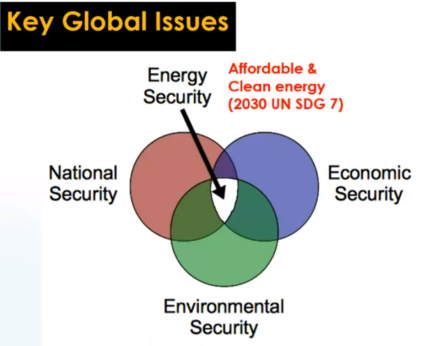
Biogas can have a central role in the replacement of fossil fuels in Sub-Saharan Africa and in providing affordable and clean energy as identified in the 2030 UN SDG 7.

Uniquely, biogas has a role in:

  • Image shows the key global issues and biogas, to explain How Biogas Can Be A Replacement for Fossil Fuels in Sub-Saharan Africa.
  • Environmental Security: being a cleaner fuel by far than the burning of fossil fuel so air pollution is reduced
  • Economic Security: reducing climate change and global warming due to its much-reduced greenhouse gas emissions and helping prevent the worst ravages upon crop production and human life with the resulting enormous cost to economic security throughout the region
  • Energy Security: by providing reliable and low-cost energy day and night from multiple distributed generation sources, biogas plants contribute to energy security
  • National Security: replacing fossil fuels can assist with providing jobs for and feeding the rising global population forecast to reach 9 Billion by 2050 (UN) which itself is essential for the maintenance of a stable society. National security requires a stable economy to pay for the police and army which can only exist when adequately supported by tax revenues.

The diagram above illustrates the inter-relationship between biogas and the 3 essential components of any civilized nation and the energy security which renewable biogas energy can provide. Biogas energy lies at the very heart of all three through its contribution to energy security and is required before any of the other forms of security can be achieved.

The Urgent Need to Decarbonize Every Economic Sector in Sub-Sharan Africa

Each of the following economic sectors presents a special challenge if society is to succeed in its aim for Net Zero Carbon Dioxide Emission to the Atmosphere by 2050:

  • Power and Electricity
  • Transport Fuel (land, sea and air)
  • Heat transfer (cookers, boilers)
  • Agriculture (compost, manure, crop residuals)
  • Waste management (landfills).

The Anaerobic Digestion and Bioresources Association has been attributed with the quotation which says it all: “There is no net-zero emissions without biogas” (EU).

What Is Biogas And What Are Its Benefits?

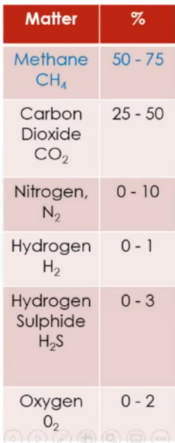
A composition table for biogas.

Biogas comprises 50 to 75% methane typically when produced plus Carbon Dioxide and small traces of Nitrogen, Hydrogen, Hydrogen Sulphide, and Oxygen. See image.

The benefits of biogas production are many and varied, as follows:

  1. It is a low carbon emission fuel source which can be used at the point of creation or after transportation, for cooking heating and power creation.
  2. Waste biomass used for its production is used locally to produce biogas. This means that it is inherently a distributed energy source. When each biogas plant is located across the grid area, and power is fed into the grid locally, power line losses are low as the distance to the point of use is short., This contrasts with large output regional power stations where the energy is distributed from a single location. Much of the power must be transported long distances with consequently large power losses (up to approximately 30%). In this way, biogas has an energy efficiency advantage of large fossil fuel power stations.
  3. The process of anaerobic digestion which produces biogas produces an output (known as digestate) which is a natural fertilizer. Therefore, biogas use with the resulting fertilizer production displaces chemical fertilizers, which entail high carbon emissions in order to produce them.
  4. Using the fertilizer provides for the recycling of nutrients essential for the long-term health of soils, and by not adding those nutrients to landfills the damaging emissions of methane escaping from landfills are reduced.
  5. For the nations of sub-Saharan Africa which have little or none of their own fossil fuels to use, creating power at home reduces the need to import energy. This has a beneficial effect on their economies as they no longer forced to spend as much of their hard-won foreign exchange on energy imports.
  6. Decentralized biogas electricity generation means that populations remote from the grid and small communities which cannot afford the costs of grid connection can electrify their homes, farms, and business premises through self-help. This has the benefit of speeding up the connection of rural dwellings to electricity sources.
  7. Rural farming receives a welcome boost when a biogas plant is commissioned because much of the wealth created remains within the community. This cannot fail but boost incomes locally and provide rewarding employment for the skilled labour force needed to run and maintain each biogas plant.

Specific Challenges Experienced in Sub-Saharan Africa

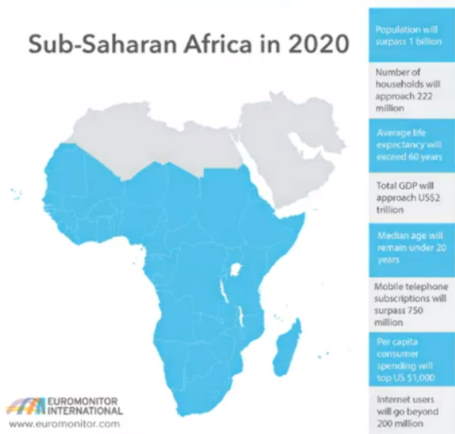
Map of Sub Saharan Africa.

The region is characterized economically by huge unemployment and low GDP. Despite the low rainfall of parts of Sub-Saharan Africa, this represents a huge potential in terms of the available biomass which could be used in the anaerobic digestion process if fully developed.

At the moment too much of the region’s export income is spent on energy import, and most must buy in fuel from abroad. This is a huge burden, for example, over 50% of its transport fuels are imported currently. Increases in home-made energy production through new biogas plant output is desperately needed to reduce reliance on imported fuel. The money released to the exchequer of these nations could then be used to put right a legacy of poor infrastructural development which daily results in the spread of lethal diseases. Such domestic problems in Sub-Saharan Africa tend to result in unrest which all too often spills over into wars.

Biogas supplied straight from landfill or fermentation chambers can be used as fuel for cooking or heating; however, this is mostly seen in developing countries, such as India or Bangladesh. For biogas to be used as fuel in engines, it must be refined, i.e. purified from unwanted components, so that it consists of 96–98% methane.

This is of course achieved through chemical processes, such as absorption and adsorption. Once biogas is refined, i.e. converted to biomethane that has practically the same composition as the gas used in cookers, it can be compressed and used for various purposes, such as fuel for motor vehicles. via euinmyregion.blogactiv.eu

Biogas methane (biomethane) is ideally suited for use as a transport fuel with trucks available on the market which run reliably on purified and compressed biogas.

The range of a biogas bus is up to 250 miles - the same as a diesel bus. Reading Buses and Stagecoach both have their own compressed natural gas (CNG) refuelling stations and Nottingham City Transport will operate one from next year. via www.scania.com

Image text: "Biogas in Sub-Saharan Africa".

With financial support from the Swedish government, between 2006 and 2009 Skånetrafiken introduced 140 buses fuelled by a combination of natural gas and biogas to its network, making it the public transport company with the largest number of gas-fuelled buses in Sweden.

Since then the company has bought a further 300 gas-fuelled buses, which means that more than half of its fleet of 1,000 buses now runs on gas. These new buses already produce far fewer emissions of carbon dioxide than traditional diesel-fuelled buses but Skånetrafiken now wants to go further and has pledged that its entire fleet of buses will operate entirely on biogas by 2020. via www.smartcitiesdive.com

Biogas as a Raw Material Replacement for Oil

Biomethane can be used as the raw material instead of oil for many chemicals and plastic production. Methane is the precursor organic compound from which oil, products are produced in oil refineries. It is produced from fossil fuel oil as producer gas and can be a replacement organic material for most fossil fuel-based oil use.

Once again, biogas production particularly well matches the need of all Sub-Saharan nations to reduce imports. This could mean that a large proportion of foreign exchange currently being spent on oil as the raw material for refineries, could also be moved into each nation’s economy.

Conclusion - How Biogas Can Be A Replacement for Fossil Fuels in Sub-Saharan Africa

The potential for biogas in the Sub-Sharan Region is exceptionally large and the benefits of biogas production also closely match the most pressing needs of the area.

If governments will recognize the true merits of full implementation of biogas production from the anaerobic digestion process and provide initial help to develop the local biogas industry the resulting benefits will be enormous.

Plus, doing so simultaneously moves the biogas adopting nations toward a much-reduced rate of carbon emissions. This can, in turn, allow them to make big strides toward the goals globally set for reducing all carbon emissions (the emissions which raise Greenhouse Gas levels) to “Net -Zero” by 2050.


[soc_panel color="orange"]This article is based upon a presentation given by Dr Vincent Ifeanyi Okudoh, Bioresources Engineering Research Group (BioERG), Department of Biotechnology, Cape Peninsula University of Technology, Cape Town, South Africa at the WBA Biogas Summit 2020.[/soc_panel]

Friday, December 27, 2019

Cow Dung and Anaerobic Digestion

Cow Dung and Anaerobic Digestion


To get biogas, farmers are creating their own, by using cow dung and building a bio-digester. 
The end products are also a good source of fertilizer for crops. Making their own biogas saves hundreds of US$ per year in fuel costs for fuel that is used to run small water pumps.

Introduction

A biogas digester plant relies on bacterial decomposition of biomass, waste material which is biological in origin, ranging from kitchen scraps to cow dung. 
As anyone who has walked past a poorly maintained outhouse or compost pile is aware, when anaerobic conditions develop in a collection of biomass, they attract bacterial organisms which emit a number of distinctive gases.
These are most notably methane, which is produced in the process of digestion. These gases are usually viewed as a symptom of inefficiency and they are vented away for disposal, but they can actually be very useful.

Why is Cow Dung Often Used to Start Up Biogas Digesters?

Most biogas digesters use cow dung to produce biogas. There are many other organic materials as mentioned above that can be used to produce biogas. Like left over food scraps, vegetation etc.
For this reason, cow dung is commonly used to start the process of biogas production. You can change the organic material to be used to produce biogas after the production has been kicked off by cow dung.

How Much Biogas is Produced?

A one-cubic-meter digester, primed with cow dung to provide bacteria, can convert the waste generated by a four-person family into enough gas to cook all its meals and provide sludge for fertilizer. 
A model this size costs about $425 but many testimonials suggest that such a facility will pay for itself in energy savings in less than two years. 
Admittedly, that's still a high price for most Indians, even though the government recently agreed to subsidize about a third of the cost for these family-sized units.
For the equipment to produce gas, the digester is filled halfway with bio-degradable materials, like cow dung mixed with water in equal ratio. It is then refilled with smaller amount every day, or at intervals no longer than to 2 weeks. The equipment can start producing gas after seven days.

Gober Gas

Gober gas (also spelled gobar gas, from the Urdu, Punjabi and Hindi word gober for cow dung) is biogas generated from cow dung. 
A gober gas plant is an airtight circular pit made of concrete with a pipe connection. First, manure is dumped in the pit. Then, water or wastewater is added to the manure and the concoction is sealed in the airtight concrete pit with a gas pipe leading to stove unit in the kitchen serving as the only egress for gas. When the control valve on the gas pipe is opened the biogas is combusted for cooking in a largely odourless and smokeless manner.
Cow Dung graphics and explanation.

The image above shows the fixed dome digester design often used for cow dung, chicken manure and human excreta. 

Fixed Dome Digesters

Fixed dome plants were chosen because they can last for over fifty years and they are easily insulated and scum fosrmation is less due to the digester slurry that is displaced (pushed out) by incoming feed (influent). 
A fixed dome digester is an underground biogas digester lined with brick, with a dome-shaped cover made from concrete. The cover is fixed and held in place with earth piled over the top to resist the pressure of the gas inside. A second pit, the slurry reservoir, is built above and to the side of the digester.

Final  Size of the Biogas Plant

The size of the biogas plant is to be decided based on availability of raw material. It is generally said that, average cattle yield is about 10 kg dung per day. For eg. the average gas production from dung may be taken as 40 lit/kg. of fresh dung. The total dung required for production of 3 m3 biogas is 3/0.04= 75 kgs. Hence, a minimum of 4 cattle is required to generate the required quantity of cow dung.
A one-cubic-meter digester, primed with cow dung to provide bacteria, can convert the waste generated by a four-person family into enough gas to cook all its meals and provide sludge for fertilizer. A model this size costs about $425 but will pay for itself in energy savings in less than two years. That's still a high price for most Indians, even though the government recently agreed to subsidize about a third of the cost for these family-sized units.

Friday, August 09, 2019

Anaerobic Digester Feedstocks Types and Sustainable Uses

The Amazing Realities of the Humble Anaerobic Digester

For a biogas digester to produce gas, it just requires seeding with methane-producing bacteria. This isn't hard because these exist all around us.

Biogas is generated by the breaking down of natural, biodegradable waste or product (also called biomass) such as veggies, leaves, grass, weeds, remaining food scraps as well as such.

It's called a digester because the natural product is consumed as well as digested by bacteria to generate biogas.

Organic feedstocks are very flexible, varying from farm manures and also crops, to sewage sludge and also event catering wastes and also food wastes (consisting of raw and also cooked food, consisting of meat items).

The REA has been involved in campaigning for the manufacturing of biogas in the UK considering that 2001 as well as formed the Biogas Sector Group in 2004.

Every tonne of food waste reused by anaerobic food digestion as an option to garbage dumping that material avoids in between 0.5 and 1.0 tonne of CARBON DIOXIDE going into the environment, one of the numerous benefits of anaerobic food digestion.

What Can Go Into a Digester?

Anything natural can be fed to the digester supplied it's naturally degradable and also has very percentages of cellulose. Other common natural products made use of in biogas digesters consist of sewer, glycerin, algae and also lawns. After the methane-producing microorganisms is presented, the microorganisms will reproduce and the procedure continues definitely, and there is no risk that the bacteria will certainly die.

Diversified farming nowadays is everything about sustainable renewable energy, from discussing green energy resources, to products, services, and innovation advancements in this field.

Read more about it! See it here.

A typical anaerobic digestion plant (digester) creates as much as 1,900 m3/hr of enriched biomethane by cleansing.

Also, many are updating the methane-rich biogas created from the anaerobic food digestion of waste.

Like natural gas, biogas is made use of as a gas to create electricity to power farm equipment, for lights applications, in gas stoves for food preparation, and also for transport.

Not Just a Large Tank with a Glossy Plastic Dome Over It!

A biogas digester (also known as a biogas plant) is a large tank where inside biogas is created with the decomposition/breakdown of raw material through a process called anaerobic food waste digestion.

Biogas Upgrading

Biogas can additionally be cleaned as well as upgraded to create pressed natural gas (CNG) or liquefied natural gas (LNG).

CNG as well as LNG can be utilized to fuel vehicles and also cars and trucks. All anaerobic food digestion systems stick to the same basic concepts whether the feedstock is food waste, pet manures or wastewater sludge. The systems may have some differences in style but the procedure is generally the very same.

A Proportion of Carbon Dioxide - Always Found in Raw Biogas - Needs Removing from the Gas

A percentage of CO2 is always found in biogas when it is formed. It has to be removed during upgrading as there is none in natural gas LNG.

After removing the CO2 (as well as various other trace gases using a variety of methods in a procedure referred to as upgrading) the continuing to be methane is known as Renewable Gas or Biomethane.

The Coevorden (BEC) bio-digester, which provided the very first cubic meters of eco-friendly gas to Gasunie's nationwide gas network, is an example of an upgraded biogas supply.

One cubic metre of biogas at 60% methane material converts to 6.7 kWh energy.

After the gas is gotten rid of the slurry will certainly flow back right into the container it remained in at first.

Biogas is extensively made use of in homes around the world, particularly in nations where this modern technology has been extensively readily available and made use of.

Image shows an introductory image to the article about popular anaerobic digester types.
As an example, in Europe companies such as ENER-G deal small CHP (4kWe to over 10MWe) from biogas, with around 170MWe currently set up.

Natural Fertilizer Output Enhances Soil Quality


The digester upgrades the biogas to biomethane (~ 98%; 1.5% nitrogen). The gas to grid plant at Bristol Sewage Treatment Works was the initial and largest of its kind.

The upgrading method prevents biomass transportation problems, in contrast with present biorefineries, while effectively valorizing decentralized biomass feedstocks such as agricultural waste or energy plants.

City of Oslo Digester Plant

Another example is the biogas digester plant which is operated behalf of EGE (Waste-to-Energy Agency) and the City of Oslo. Sweden is a globe leader in upgrading and use biomethane for transportation, and has lots of 'biogas lorries', including private cars, buses, as well as even a biogas train and a biogas powered exploring automobile group.

Gas is commonly used as a transportation fuel in lots of European nations, especially Italy, which flaunts 650,000 gas powered lorries.

A recently funded research study program on fuel will assess the opportunity of making use of biogas as a fuel for compression ignition engines of non-road cars as well as tractor makers of plant utilized in agriculture.

Gas Injected to the Natural Gas Grid

Biomethane made from biogas is slightly lower in calorific value than natural gas. To supply all users fairly it needs to be supplemented with a higher calorific gas. Propane from cylinders is the usual solution.

However, some biogas plant operators are finding ways to avoid this unwanted use of a fossil-derived fuel by improving the calorific value their digester supplies.

This enriches the gas to natural gas quality and calorific worth.

After enrichment the biogas generated from the digesters then enters the gas to grid plant.

Sewage Treatment Sludge from Wastewater Treatment (Sewage Works)

Sewer sludge as well as food waste is dealt with and pumped right into a collection of anaerobic digesters.

Sewage Works biogas from sludge provides the nationwide grid with sufficient gas to provide thousands of regional residences and also guarantee the sewer treatment works is energy self-sufficient.

This freely generated biomethane can, of course, after that be infused into the gas grid.

Monday, July 01, 2019

Let's Make Biogas from Straw - Rika Biogas Bioextrusion® - Anaerobic Diggestion

Why not make biogas from straw! New extrusion process makes it possible that a good feedstock can be created through the far more rapid development of anaerobic digestion of straw.

Research Sources for the Bioextrusion Process

The Bioextruder can create totally new feedstock options such as straw and desiccated grasses, or increase the biogas yield of traditional substrates such as maize or grass silage.

Depending on the solution required Rika Biogas Technologies can also specify equipment that can increase yields, speed up digestion and remove extraneous materials. These items normally sit in line with the extruder to produce a fully integrated feeding and feedstock processing solution that ultimately reduces your running costs. www.bioextruder.co.uk

Bioextrusion was Originated by LEHMANN

The Process of "Bioextrusion research and development was begun by LEHMANN®"

[Bioextrusion] leads to the formation of new bacteria stains and an improved C/N-ratio, because celluloses and hemicelluloses is decomposed and liberated from the embedding lignin layer. The 5- and 6-times sugar is faster available. Low-molecular and fast transforming substances like alcohol and other compounds develop.

The Fraunhofer institute IKTS in Dresden and LEHMANN Maschinenbau GmbH Jocketa have investigated to to what extent these difficult substrates are suitable for biogas production. via www.lehmann-maschinenbau.de

New insights into the impact of bioextrusion on biomass deconstruction using carbohydrate-binding modules

Lignocellulosic biomass is a sustainable source of renewable substrate to produce low carbon footprint energy and materials. Biomass conversion is usually performed in two steps: a biomass pretreatment for improving cellulose accessibility followed by enzymatic hydrolysis of cellulose. In this study we investigated the efficiency of a bioextrusion pretreatment (extrusion in the presence of cellulase enzyme) for production of reducing sugars from corn crop agricultural residues. Our results demonstrate that bioextrusion increased the reducing sugar conversion yield by at least 94% at high solid/liquid ratio (14%–40%). via www.sciencedirect.com

During the process the substrate is decomposed into its cell structure by a double-screw extruder with pressure with that high temperature and resulting of alternating load and multiple pressure/relaxation cycles in the machine. The biogas yield increases due to a better biochemical-availability and a strong enhanced surface area. The fiber is ideal culture medium of metabolizing bacteria.

This leads to the formation of new bacteria stains and an improved C/N-ratio, because celluloses and hemicelluloses is decomposed and liberated from the embedding lignin layer. The 5- and 6-times sugar is faster available. Low-molecular and fast transforming substances like alcohol and other compounds develop.

The sustainability and efficiency of biogas production is primarily determined by the substrate costs. It is necessary to exploit new substrates and to increase the energetic utilization ratio of the used substrates. Till now, highly lignocellulosic substrates or residues like straw or landscaping residue materials as "not used, or of limited use for biogas production".

The raw fibre is also degradable by bioextrusion. via www.energy-xprt.com

The transcription text of the video: "Let's Make Biogas from Straw" follows:

Video Transcription

Let's Make Biogas from Straw Not Field Crops.

Around 30 million tonnes of cereal straw are produced in Germany annually.

It has been estimated that 8 to 13 million tonnes of this could be used sustainably for different energetic paths of utilization.

Large quantities of straw are also produced in the UK, and throughout temperate climate regions globally.

Straw is one of the agricultural residues with the largest untapped potential for use as a biomass feed for biogas.

But, so far there has been only limited use of the energy in straw and what has been used has been based on thermal recovery, such as by pelletizing straw for domestic heating.

The disadvantages of this are the extremely large storage capacity needed for the dry material, as well as the high CO2 emissions from transport and processing.

In contrast, the use of straw in anaerobic digestion seems sensible.

The nutrients and organic matter, which was not converted into biogas in the fermentation process, are available again as a high-quality digestate after fermentation, with the resulting digestate available to sustain this as a cycle by, its use as a crop fertilizer.

But there is a problem with this. Straw has a very high content of lignocelluloses and a low portion of readily fermentable materials.

During the fermentation process, this causes very long digestion times and low biogas yield.

Also, straw tends to float in the digester, even after being shredded.

Unwanted floating layers can then easily become a mixing problem, again reducing biogas production.

While some digester mixers might be able to cope, the mixing energy used reduces the remaining energy which can be sold.

A Solution to Low Straw Biogas Yields

One German company has devised a solution which they call Bioextrusion®.

The treatment (extrusion) of the straw has 3 beneficial effects:

1 - It reduces the particle size (fibre length) for reduced viscosity and easier mixing.

2 - The lignocellulosic structure is partially destroyed and,

3 - At the same time, the absorptive capacity of the straw increases, and the floating behaviour of straw fibers inside the fermenter is much reduced.

After Bioextrusion® the straw is described as spreading almost perfectly in the operating volume of the fermenter.

The straw substrate which is modified by Bioextrusion® is then suitable for wet-fermentation in the standard CSTR process.

On arable farms, Bioextrusion® may also be used to raise biogas output from other crop residues such as maize.

Want to know more?

Visit their article about Rika Biogas Technologies at www.bioextruder.co.uk

Phone: +44 (0)1746 714 704


Monday, January 28, 2019

3 Types of Biogas Mixing Systems Advantages and Disadvantages of Use in ...

Biogas Digester Mixing Equipment

Biogas plant designers will tell you that the main factors that influence the rates (and, therefore, the success) of these biological transformations in the AD reactor are hydraulic and solids residence time (HRT/SRT), temperature, pH and the presence of toxic materials.

But, that omits one other essential requirement which can be left to chance on some occasions, and that is getting the tank agitation, or more commonly called 'mixing". right.

Unmixed, low rate AD reactors will stratify into four zones (layers): Floating scum; liquid supernatant; actively digesting solids; and digested and inert solids. Mixing systems for high rate AD reactors are typically designed to achieve a specified percentage of active working volume, typically defined as the total volume of the reactor minus an allowance (usually 10%) for the floating scum layer, and the inerts layer at the bottom. Mixing systems try to minimize the sizes of these two capacity-stealing layers. Working volumes less than 85 percent are inefficient digester reactors.

More energy is needed to keep heavy solids in suspension than to homogenize the reactor contents. via www.biocycle.net

Image shows delegates at an exhibition looking at a biogas mixing system.
Exhibition attendees looking at an in-tank propeller type biogas mixing system.

Mixing the digester requires a significant amount of energy, which becomes a parasitic load on the output of energy which can be used on-farm or sold. One possibility to operate biogas plants more efficiently is to reduce the energy consumption by avoiding constant stirring. AD Operators and water companies can reduce the energy usage of their digester pumps and mixers by up to 50%, according to leading manufacturer, Landia. While most operators find this to be the answer to high energy use during mixing, some say they can experience more foaming during intermittent mixing.

An advantage of gas mixing can be that the high velocity gas-liquid jet causes mixing of the tank at a higher level than the hydraulic mixing. The gas bubbles reduce the density of the liquor in the digester. The result of this is that, low-density materials, such as plant fibers that often float to the surface, will be forced to sink into the tank. This can reduce the floating scum on the surface, and be a very welcome result.

Operating an AD plant with lowest possible electricity consumption and minimized OPEX is a key factor in optimizing the total cost over the lifetime of the biogas plant, so the subject of anaerobic digestion reactor mixing is an important one.

Wednesday, December 26, 2018

Anaerobic Digestion Plant Training in Techniques Technologies Innovation

Anaerobic Digestion and Biogas Education and Training is often available as 1 day to one-week duration intensive training courses at various locations throughout the world, on anaerobic digestion for the production of biogas, digestate, and biochemicals.
If you are a research student or process engineer with the cash to spend on these and are looking for a good technical training course on anaerobic digestion, there is no doubt that these are the right courses to take.
However, there has been a gap in the training course market for some time, as there have been very few if any, intensive course on anaerobic digestion based upon the world wide web's ability to provide training courses cost-effectively.
That's where the new website to be known as the Anaerobic Digestion Training Club, will provide low-cost biogas training, which can be studied outside office hours, and can provide AD Training for many more than can afford residential courses. 
The demand for biogas training will continue to rise. An example of the likely future pressure can be seen by considering the following factors likely to influence future farming.
Today, many farmers in developed countries are using digesters primarily to improve the quality of their manure and to reduce manure odours, the energy content of the methane being simply a by-product.

Others are building digesters as energy plants, and all need Anaerobic Digestion Plant Training.
However, as the price of energy increases, more and more farmers are looking at using anaerobic digestion as a way to generate supplemental heat and electricity for their farms. 

Digesters are also popular technology in rural areas of the developing world, where electricity and petroleum fuels are often unavailable or not affordable. Their uptake will continue to rise.

All these factors suggest a healthy short-term future for a rising number of biogas plants to be built, and all involved will need great training courses.


AD training course online

That's just one reason for placing a high priority on AD Training.

Another is as follows:
There are safety risks in dealing with biogas, including explosion, asphyxiation, disease, or hydrogen sulfide poisoning.

Operators must be aware of the potential hazards and take preventative measures. Training courses on health and safety are vital for staff and operatives to ensure that everyone working and otherwise present on renewable energy sites, can behave in a safe manner.

We hope you found the article above, and/ or the video in this article useful. Your feedback via the comments section below is appreciated.

Visit https://adtraining.club/

Friday, November 16, 2018

3 Benefits of Biomethane Gas to Grid AD Plants

Biomethane production and anaerobic digestion gas to grid is a development which is of great interest and show just what improved technology can do. (The grid we refer to is the natural gas grid (i.e. the national natural gas pipeline system.)

It's a mature technology now, with about 100 active plants in Germany alone.

For those farms and business seeking to get started in the UK, CHP and gas to grid is probably close to a minimum 18 month project from inception to completion and new gas-to-grid plant RHI applications are only good until early 2020.

3 Advantages of Biomethane Gas to Grid AD Plants


The difference between a “gas to grid” biogas plant and a normal anaerobic digestion plant is that rather than use the biogas produced to make electricity, we take it a step further.


We clean up, the raw biogas from the digester in a process that we call “upgrading”.

The specification of upgraded biogas is for a product gas which is suitable to be injected into the natural gas grid.

1. Environmental Benefits

The integration of enriched biomethane into the national gas grid has several key environmental benefits.

On a full lifecycle basis Bio-CNG provides a 72% reduction in CO2 emissions as well as being exceptionally clean, with ultra-low particulate emissions and ultra-low NOx emissions.

2. Financial Benefit for the Transport Company/ User – CNG Fuel Costs Less

In fact CNG users commonly report about a 30% reduction in fuel costs.

3. The Biomethane Producer Makes a Profit

Image shows a bus powered by biomethane via Biomethane Gas to Grid

They get two sources of income:

First, there are UK Renewable Heat Incentive (RHI) payments.

Second, they are paid by the grid Company for the biomethane gas produced.

Those are just a few of the benefits of gas to grid AD plants.

For more information on this subject visit our AD website.

Support biogas! It's a Major Renewable Energy Source!

Tuesday, August 14, 2018

Applying Biogas Benefits Essential After Bad News for Climate Change in 2018

We consider that applying the biogas benefits in helping reduce climate change (global warming) is now more essential than ever after the bad news for climate change in 2018.

Just take a look at the trending news about climate change in the last 30 days, as summarized below:

Climate change: Our plans are in pieces as killer heat shreds records

(CNN) Deadly fires have scorched swaths of the Northern Hemisphere this summer, from California to Arctic Sweden and down to Greece on the sunny Mediterranean. Drought in Europe has turned verdant land barren, while people in Japan and Korea are dying from record-breaking heat.
Climate change is here and is affecting the entire globe -- not just the polar bears or tiny islands vulnerable to rising sea levels -- scientists say. It is on the doorsteps of everyday Americans, Europeans and Asians, and the best evidence shows it will get much worse.

This summer, 119 people in Japan died in a heat wave, while 29 were killed in South Korea, officials there say. Ninety-one people in Greece died in wildfires, and ongoing fires in California have taken at least eight lives. Spain and Portugal sweltered through an exceptionally hot weekend with a heat wave that has killed three people in Spain and pushed temperatures toward record levels. via heat shreds records

Biogas Benefits
Biogas Benefits - "Off the Chart "NCE Magazine - Warning!

Science Says: Record heat, fires worsened by climate change via Science

Record-breaking heat and fires are worsened by climate change, scientists say

Heat waves are setting all-time temperature records across the globe -- again. Europe suffered its deadliest fire in more than a century, and one of nearly 90 large fires in the U.S. West burned dozens of homes and forced the evacuation of at least 37,000 people near Redding, California. Flood-inducing downpours have pounded the U.S. East this week.
It's all part of summer -- but it's all being made worse by human-caused climate change, scientists say.
"Weirdness abounds," said Rutgers University climate scientist Jennifer Francis.
via Record-breaking heat

We think that the need to implement all possible means of reducing climate change which can be done using proven technologies, without incurring un-affordable costs, must surely now be implemented without delay.

Biogas Benefits are Now Proven - Time to Ramp Up AD Plant Construction

The global biogas industry has developed rapidly over the last 10 years, and now is the time to start ramping up anaerobic digestion plant construction.

Biogas offers a solution to helping protect our environment and meet ambitious climate change commitments. All of these critical functions – generating renewable energy, reducing solid wastes, managing nutrients, reducing GHGs and mitigating pollution risks – can be realized from a biogas facility in an economically sound and sustainable manner.

GHG Emission Reduction

The capturing and utilization of biogas is a powerful tool for reducing GHGs that are the principle cause of human-induced climate change. GHGs are reduced in two ways: first, the biogas produced is a source of renewable energy that can replace fossil fuels. Second, the capturing of biogas reduces methane, a very potent greenhouse gas that would otherwise be free to escape into the atmosphere. Biogas has the potential to reduce GHG emissions by 37.5 Mt CO2e, or 10% of the national target.

Methane Abatement

Biogas reduces two critically important greenhouse gases — carbon dioxide (CO2) and methane (CH4). Carbon dioxide emissions are reduced when biogas replaces fossil fuel use (i.e., coal, diesel or natural gas). This can be in the form of direct displacement in the pipeline by injecting RNG into the natural gas supply, or in transportation by replacing diesel with RNG. In addition to displacement, the biogas process is able to capture upstream methane emissions and convert it to renewable energy. Methane abatement strategies are critically important in agriculture for manure management, as well as at municipal landfills that flare their captured gas. There are multiple ways in which biogas can reduce methane emissions or displace other higher carbon intensive fuels with a lower-carbon solution.

Resource Recovery

Biogas offers a solution to waste management that ensures valuable organic material is not sent to landfill. The benefits resulting from diversion of organic materials, include the following:
  • Less food waste going to disposal means fewer GHG emissions associated with growing, manufacturing, transporting, and disposing of food;
  • Diverting organics from disposal avoids potential methane emissions from landfills;
  • Using the biogas produced from organic wastes as a source of energy reduces the need for fossil fuel energy sources, such as oil and natural gas;
  • Digestate (the product that comes from the anaerobic digestion of organic material) returns organic matter to the soil.
  • Digestate utilization reduces the extraction of peat, an important sink for CO2.
An additional societal and political benefit of organic material diversion includes preserving landfill space for “real” waste. For biogas system operators, these materials are essential for fueling their biogas systems and producing clean, green energy. via Canadian Biogas Association

Who Will Drive Accelerated AD Plant Development?

While some governments will undoubtedly raise their financial support for climate change reduction initiatives, after the heat-wave and fire events of summer 2018, many will not.

The best hope for rapid implementation of all forms of climate change mitigation will be most likely to come from big investment funds. These funds are becoming critically aware of the need for their investment funds to identify and only invest in sustainable companies, as their long-term pension funds can only prosper under a stable global climate.

How Big Investment Organisations Will Only be Able to Invest in Sustainable Businesses

“The next step for [large investment funds] will be to begin the process of identifying and quantifying the financial impacts of climate change, exploring how resilient their strategies are to different climate scenarios, and encouraging others to do the same.”
“Many of the biggest investors in infrastructure worldwide are signed up to the TCFD guidelines, requiring disclosure of the climate risks to their investments,” explains Mott MacDonald head of climate resilience Ian Allison.
“The consequence is that we will see investment diverted away from businesses or industries that are not making a positive contribution to the Paris Agreement,” Allison says.
The pace at which the financial sector is acting to understand its exposure to climate risk is fast and is beginning to make a real impact on infrastructure clients and their supply chains, says Mott MacDonald principal climate advisor Madeleine Rawlins. via NCE

Summary to Applying Biogas Benefits After the Bad News for Climate Change in 2018 

We consider that applying the biogas benefits in helping reduce climate change is now more essential than ever after the bad news for climate change in 2018. Climate change is here and is affecting the entire globe, not just the polar bears or tiny islands vulnerable to rising sea levels.

Spain and Portugal sweltered through one exceptionally hot weekend. Flood-inducing downpours have pounded the U.S. East, and terrifying fires are raging across the US. So, as we contend that the biogas benefits are now proven it's time to accelerate global AD Plant Construction.

But who will drive this accelerated AD Plant Development? Governments are unlikely to provide the needed push.

The best hope for rapid implementation of all forms of climate change mitigation will be most likely to come from big investment funds.

The pace at which the financial sector is acting to understand its exposure to climate risk is fast.

These institutions are beginning to make a real impact on infrastructure clients and their supply chains, insisting on sustainable projects such as biogas plant development for renewable energy from waste materials (not food crops).

See also our article at the AD Blog on Biogas Benefit and the Civil Engineer's Call to Action!